Laazhvard-e Abaa Zar;
or,
Eloquence Par Excellence
Well.
On a day like this, still, silent, expectant, it’s only right that I should begin my writing by intoning a sacred refrain heard often in these halls, the striking of a little bell, whose clear, bright, and strong vibration will ripple through all that follows after it, serving as introduction and foundation alike:
So much has been going on, I wouldn’t even know where to begin or how to say it.
And as I’ve said, or written, before, I walk a narrow line here, in sharing what I share; I write from and of my own experience, with the intention of bringing light to the universal by way of the particular, but with that comes the peril of “making it all about me.”
What I will share today is about me.
Again I paused, and wondered, and hemmed and hawed.
What to say?
But it’s already been said, and it’s been on my mind: “the life of the flesh is in the blood… it is the life of all flesh; the blood of it is for the life thereof.”
On a day like this, so still, silent, expectant, every sound has a greater resonance, so that you could hear a fieldmouse squeaking from the marshes in a snowstorm, so to say.
Before every word, I pause, I listen, and it seems to me that to say anything at all is already too much.
Earlier this week, I witnessed many things, all of them strange, some of them beautiful, and some maybe even more-than-beautiful. I don’t feel it’s my place to share them here, nor could I share them all.
But I witnessed one thing that gave me great pause, and drove me deep into myself – consciously, willingly, attentively, mind you.
I paced in a back corner of a concrete basement, black boots and faded green corduroys on – in total inner and outer silence, considering, weighing, feeling. I wondered at the stillness over what I’d witnessed, and my own dispassion amidst it.
“The life of the flesh is in the blood.”
This saying has much in it, and can be seen from many levels, all of them true.
As Men, we stand between Heaven and Earth, mediating the connection between the two, feet deeply rooted in the stone and soil of the motherland, reaching and growing toward the eternal skies and the great father behind and beyond it, whose life is in it.
I may have cause to speak about myself, as a son of Men, from the higher-aspirational perspective, but I feel I should say something first about being a son of Men from the “boots on the ground” perspective, at least and first.
But as I consider the echoes of what I just intoned into the stillness, suddenly it seems to me that I should make a confession first – but that, only from behind a veil, or many veils, as would befit any lover of beauty and modesty.
I have been learning just what it means to have a Saint, or Saints, on your side.
I have been learning what it means to “invoke” them, though it has little to do with speech, or even formality, certainly nothing to do with “occultism.”
I think of another phrase that has been echoing, another silvern bell-strike, in my mind since that day of pacing in stillness:
“Silence is ever speaking; it is the perennial flow of ‘language’. It is interrupted by speaking; for words obstruct this mute language… By silence, eloquence is meant. It is the best language.”
Of course, that’s me quoting via the magic of the internet; actually, I remember the saying as:
“Nothing is so eloquent as silence.”
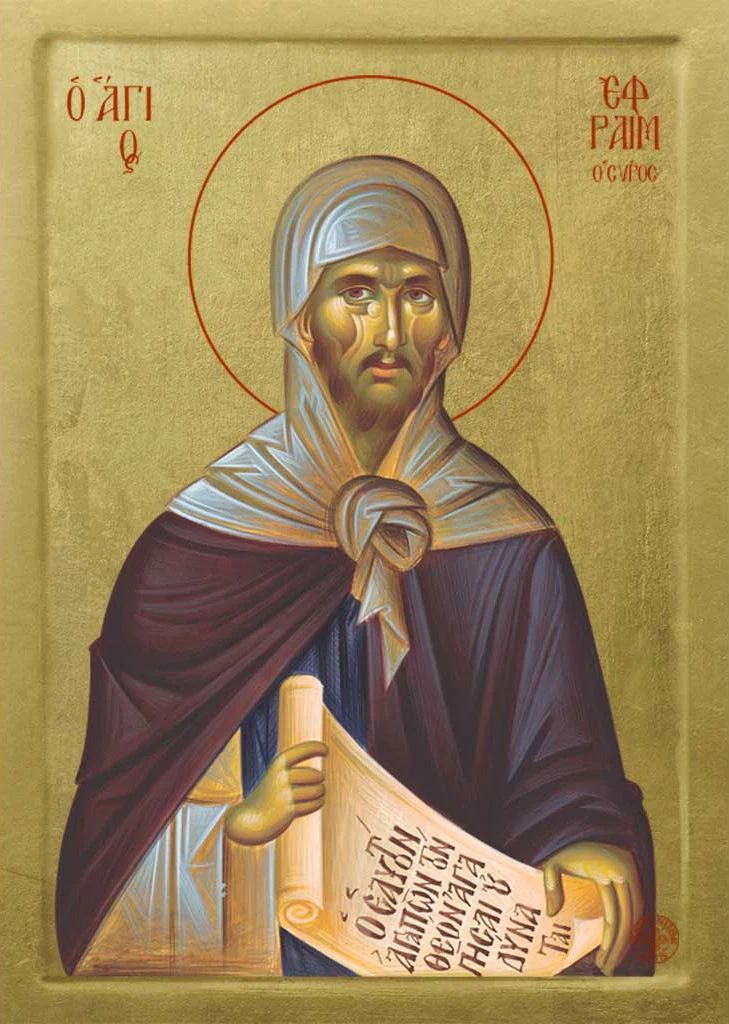
Let those who are interested and don’t already know gird their loins, hitch up their britches, and take a long walk through these halls and find out what I mean when I say, this is an understanding I was primed to receive and experience via my long, consistent practice of Spring Forest Qigong – that is to say, I learned what it means to quiet the internal thoughts, feelings, and sensations and attend to the subtle variations in internal perturbations of the being-space, while (at the same time) fostering a deeper and deeper connection, through prayer and imitation, to a Master.
We need not get bogged down in, so to say, “theoretical theological-doctrinal parsing” to cut to the quick of things, but Spring Forest Qigong also primed me to understand the connection between spiritual intelligences and beings, including those of Masters no longer in their flesh, as fundamentally an informational-energetic, living, spiritual frequency that one can, quite literally, tune into as a means of… let’s say, creating a harmonic resonance that lets you “assimilate” your lower being-wave to the higher-vibration one, so that into your “vessel” may come new energy, information, and even life.
What am I saying?
I’m saying, just as the classical Iranian dastgaah music and classical South Indian Carnatic music are highly scientific, deeply elaborated, highly refined spiritual-artistic systems, passed on from Master to disciple through an oral tradition “steeped” in the student absorbing the being-example and essence-vibrations of the Master through long fellowship, designed to educate and edify the spirit and the feeling of the listener (and the body, mind, heart, and spirit of the musician), so also are holy Icons of the Orthodox Christian Church highly scientific, deeply elaborated, highly refined spiritual-artistic systems in the same vein.
And, in both cases, through the universal, fundamental laws of energy, frequency, and resonance, and by a mystery of Creation that I can scarcely understand, wherein the life of the spirit-energy-frequency-vibration is eternally alive, both unchanging and ever-changing… well, I’ll put it to you like this.
If you spend enough time soaking up that kind of music, visual or auditory, something comes through and into you.
Yessir.
Now I know what it means to strike the unstruck sound, or to be the hollow reed.
And yet, the glory of God is that I never thought I’d understand it like this.
Who is the Eternal Piper?
Well, let me tell you – he doesn’t herd rats, he doesn’t lead children off of cliffs, and he’s definitely not
pied, though some of his saintly fools are; he’s the Lord of Majesty, seated in glory, and a good shepherd to lost sheep:
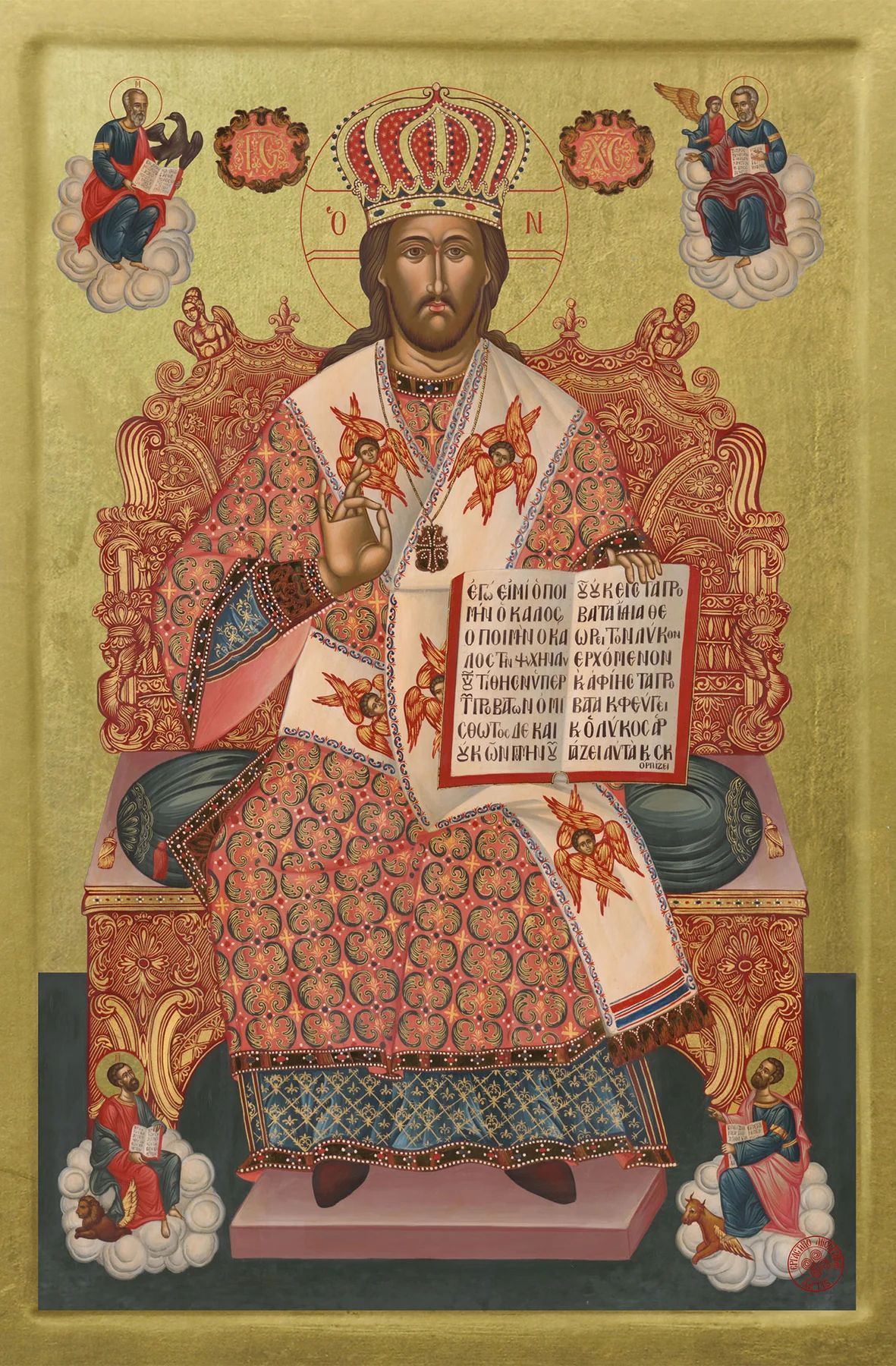
Yea, a good shepherd and a better, for has he not said,
“I am the good shepherd: the good shepherd giveth his life for the sheep. But he that is an hireling, and not the shepherd, whose own the sheep are not, seeth the wolf coming, and leaveth the sheep, and fleeth: and the wolf catcheth them, and scattereth the sheep. The hireling fleeth, because he is an hireling, and careth not for the sheep. I am the good shepherd, and know my sheep, and am known of mine. As the Father knoweth me, even so know I the Father: and I lay down my life for the sheep.”
I could say so much, so much has been going on; I have pulled back a few veils to give you a glimpse of the glory, but will draw you gently by the hand, back, drawing a few of the veils again, so we can speak of something nearer to Men’s hearts.
And it seems to me that this speech of Men will have new resonance, in the echoing residual radiance of the glorious light we glimpsed for a moment beyond a parted veil.
I’ve playdjuh a nice, high air. Now, let’s play it low.
“The life of the flesh is in the blood.”
I could say so, so much, so let me continue the weaving of this story-tapestry by throwing in a few small images, a few different colors, a few different threads, to add yet greater depth to the whole.
Have you wondered, really, what’s in vaccinations, or what are called vaccinations? Especially in the light of the “Corona Virus” and 2020?
Have you ever stood silent in the still midwinter marshes, under an open sky, watching what goes on above you? Why do some planes’ trails stay in the sky for minutes, hours, all day, and gradually dissipate and settle, sometimes as a yellow film (who heard of a tree pollinating in the winter?), sometimes with fine fibers amid them?
Have you heard of adrenochrome? Why do Masonic orders run hospitals and blood drives and dress like clowns for children?
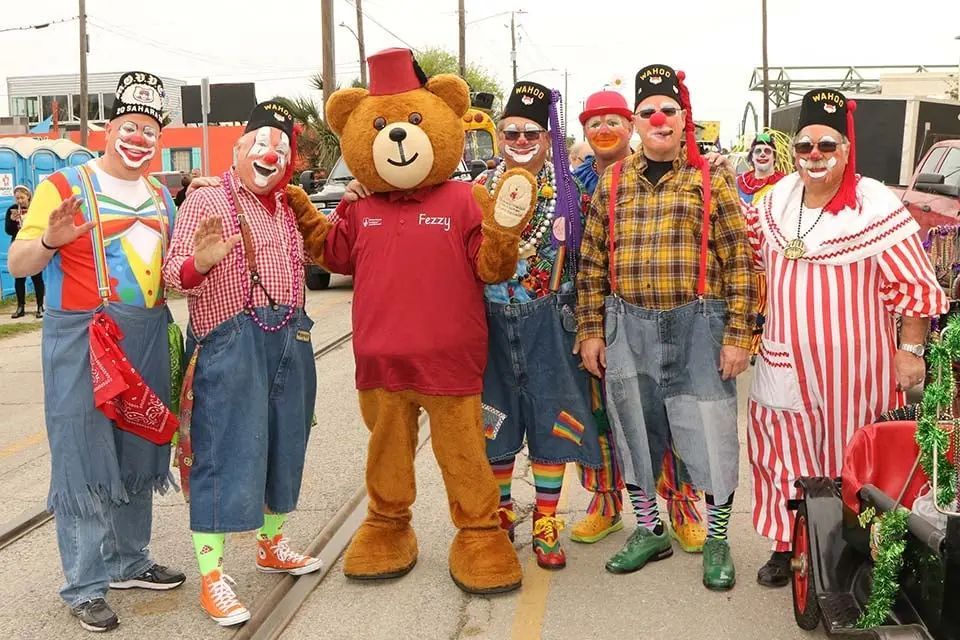
Why is everyone horrified by clowns, deep down? Why were modern clowns, as we see them depicted now, created, like the modern circuses themselves, by members of Masonic orders and run like pagan mystery-plays?

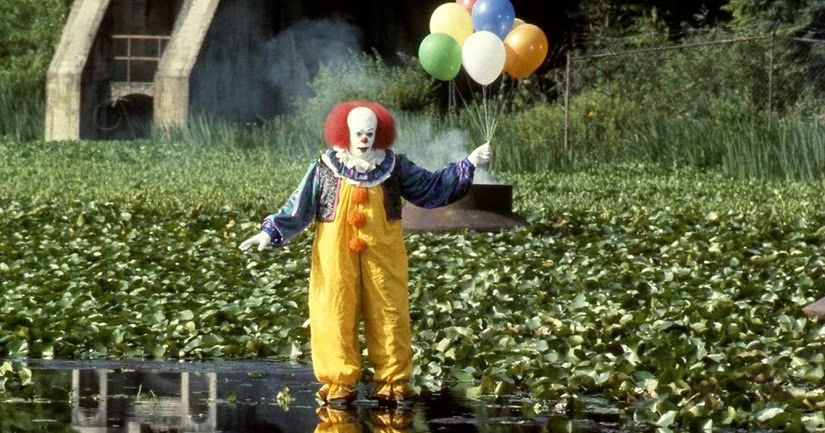
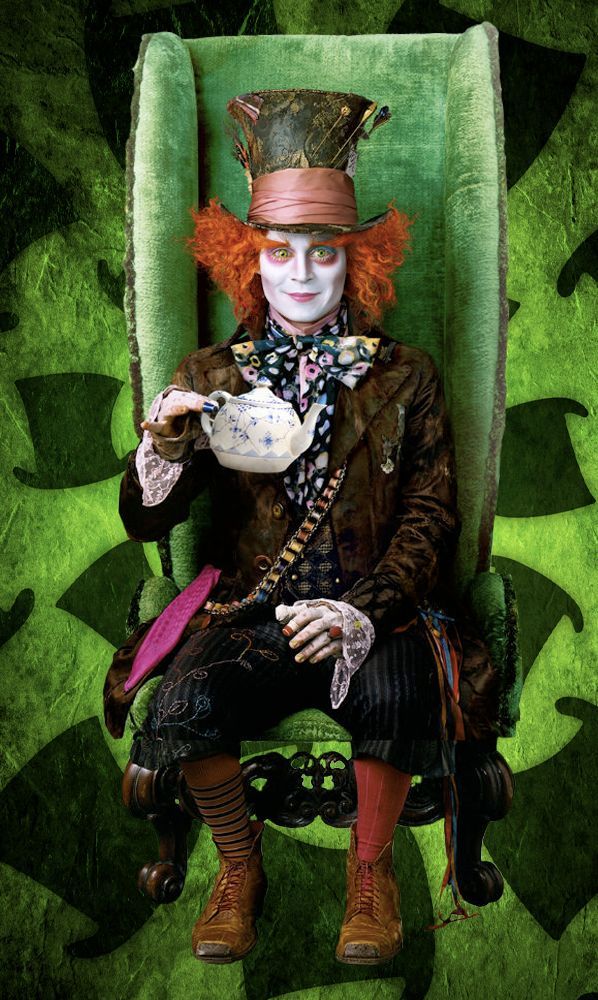
Why do the clowns look like demonic rakshasas of India, or the tricksters, demons, and demi-gods of Africa, the Americas, and everywhere else in the world?
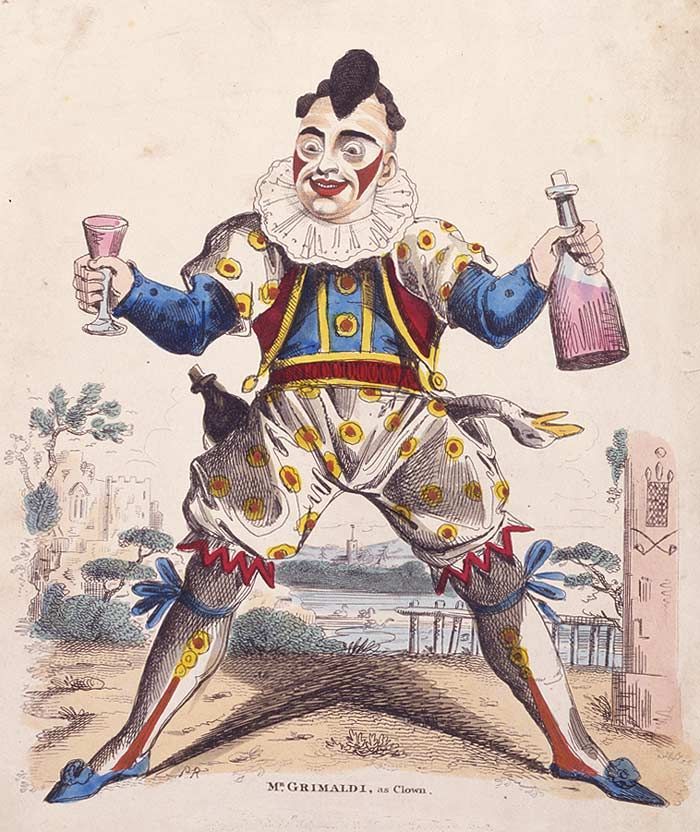
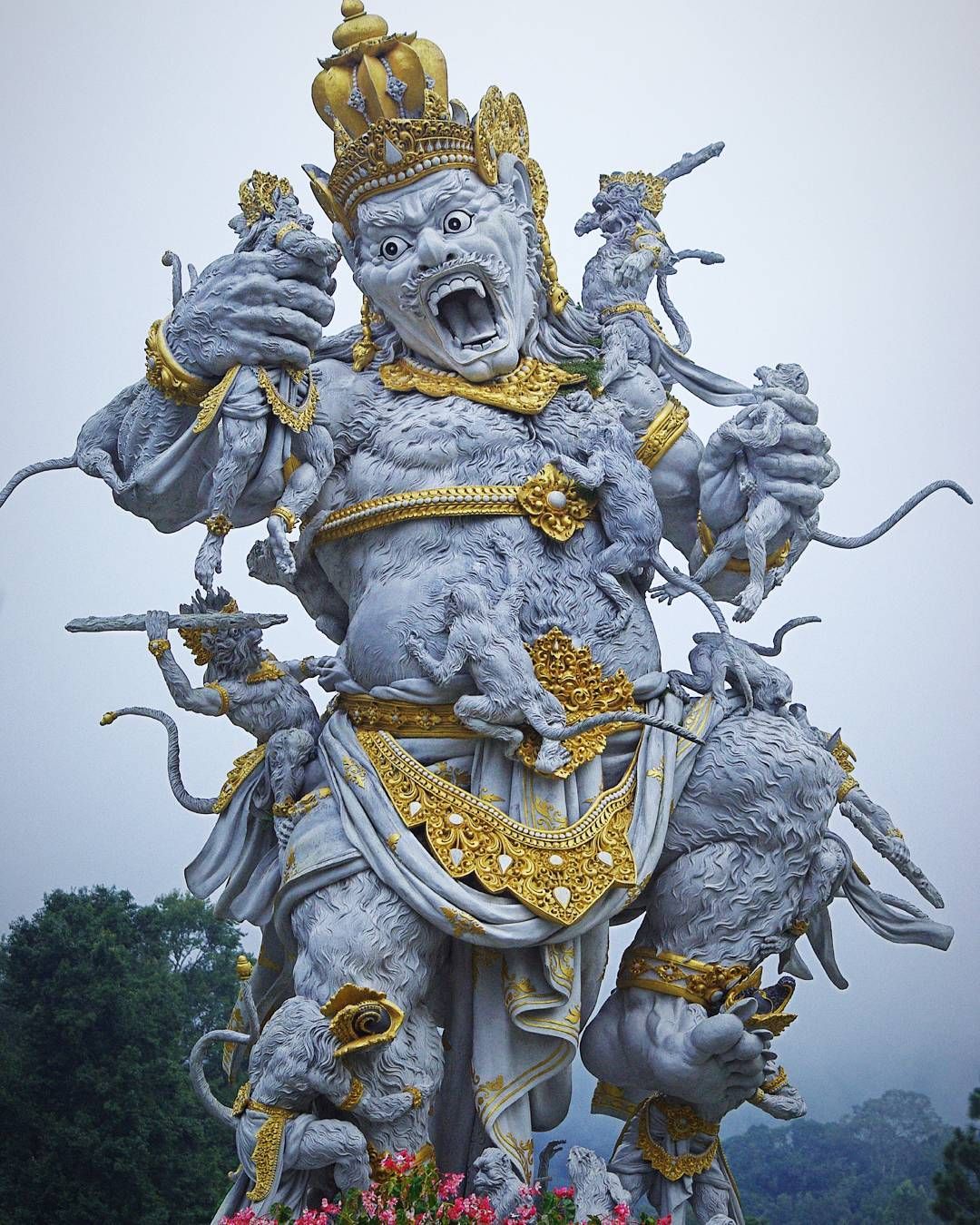
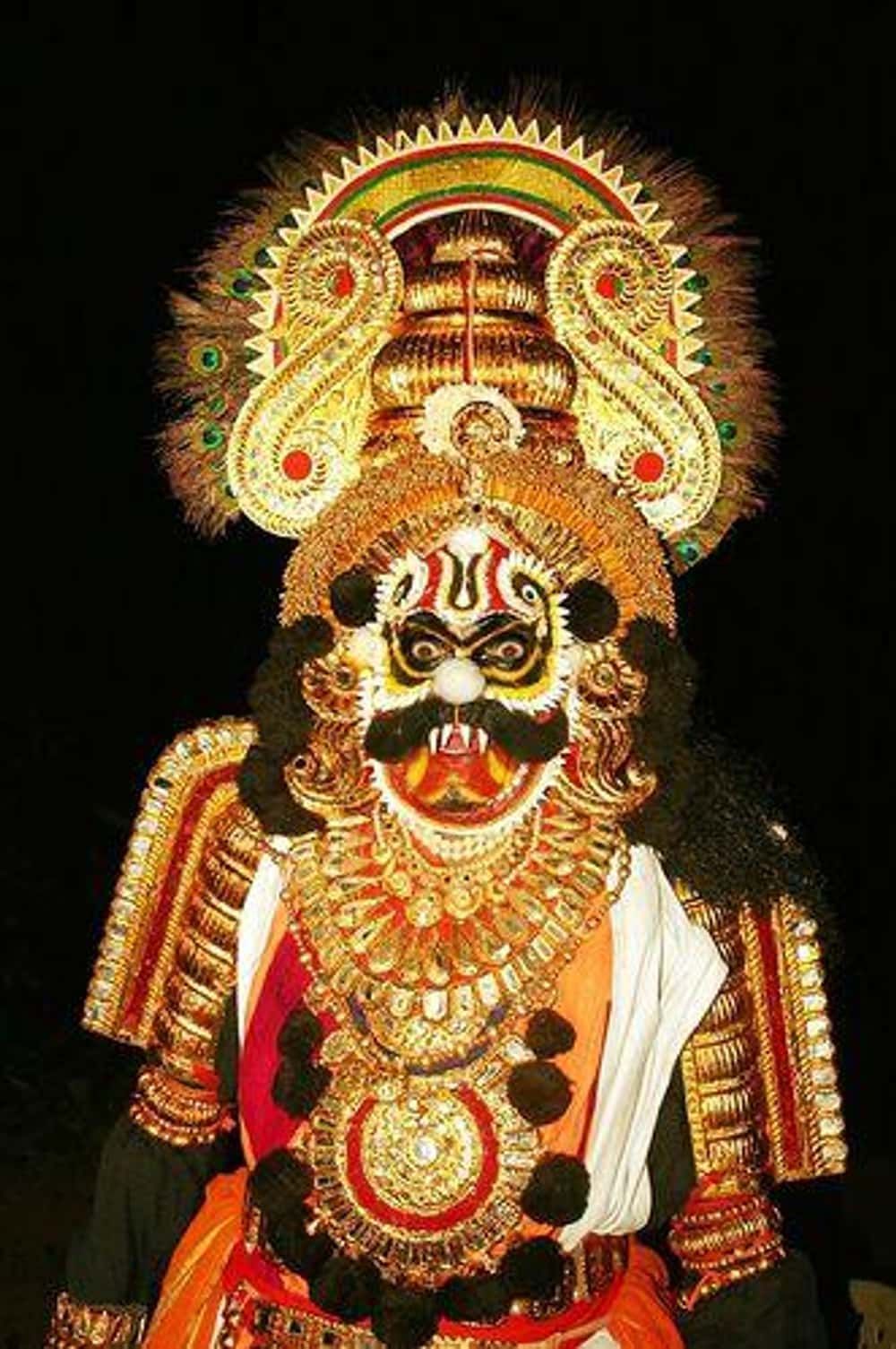
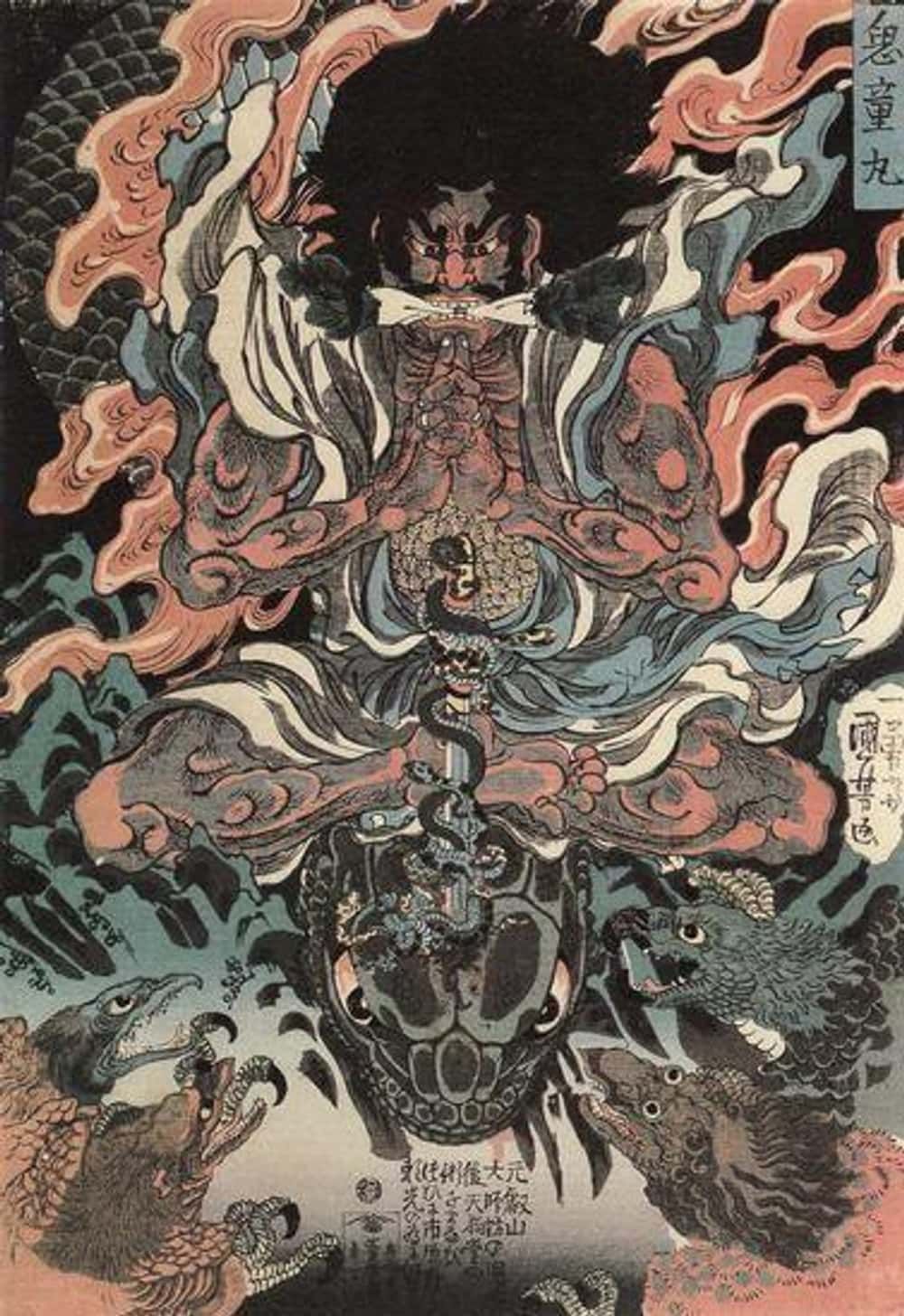
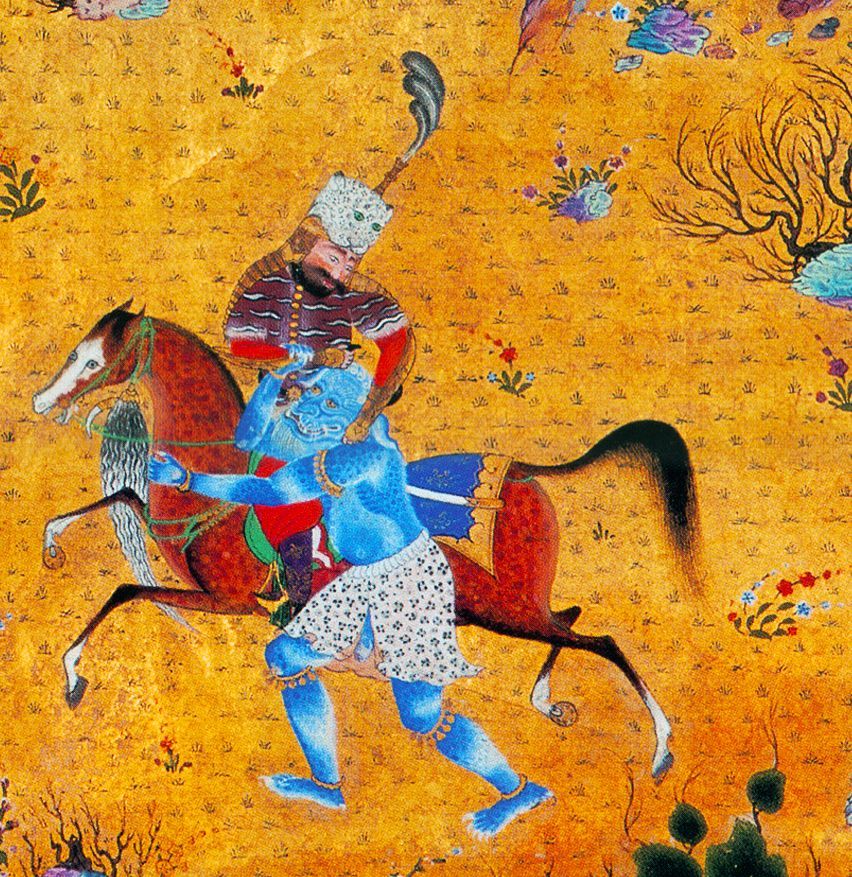
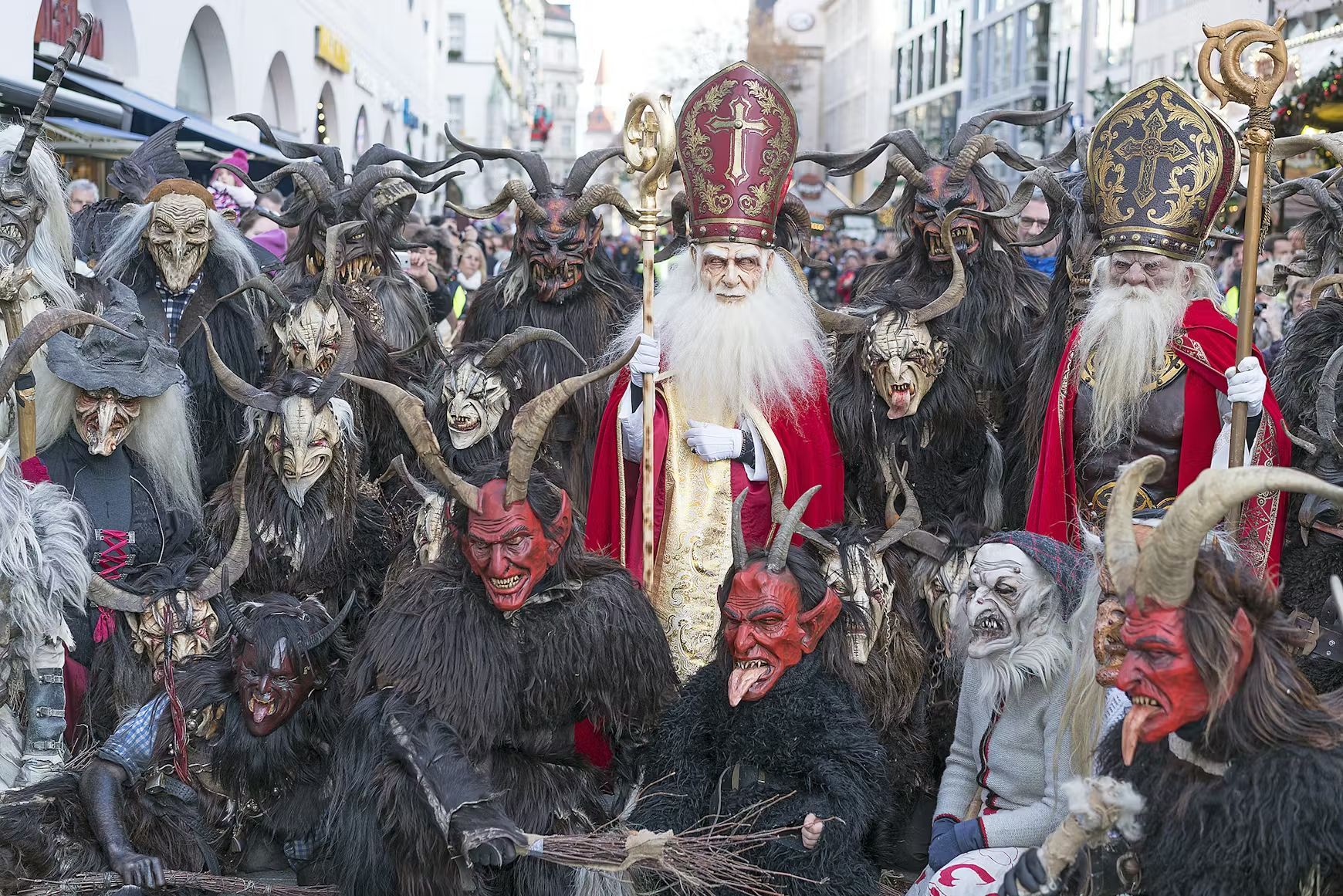
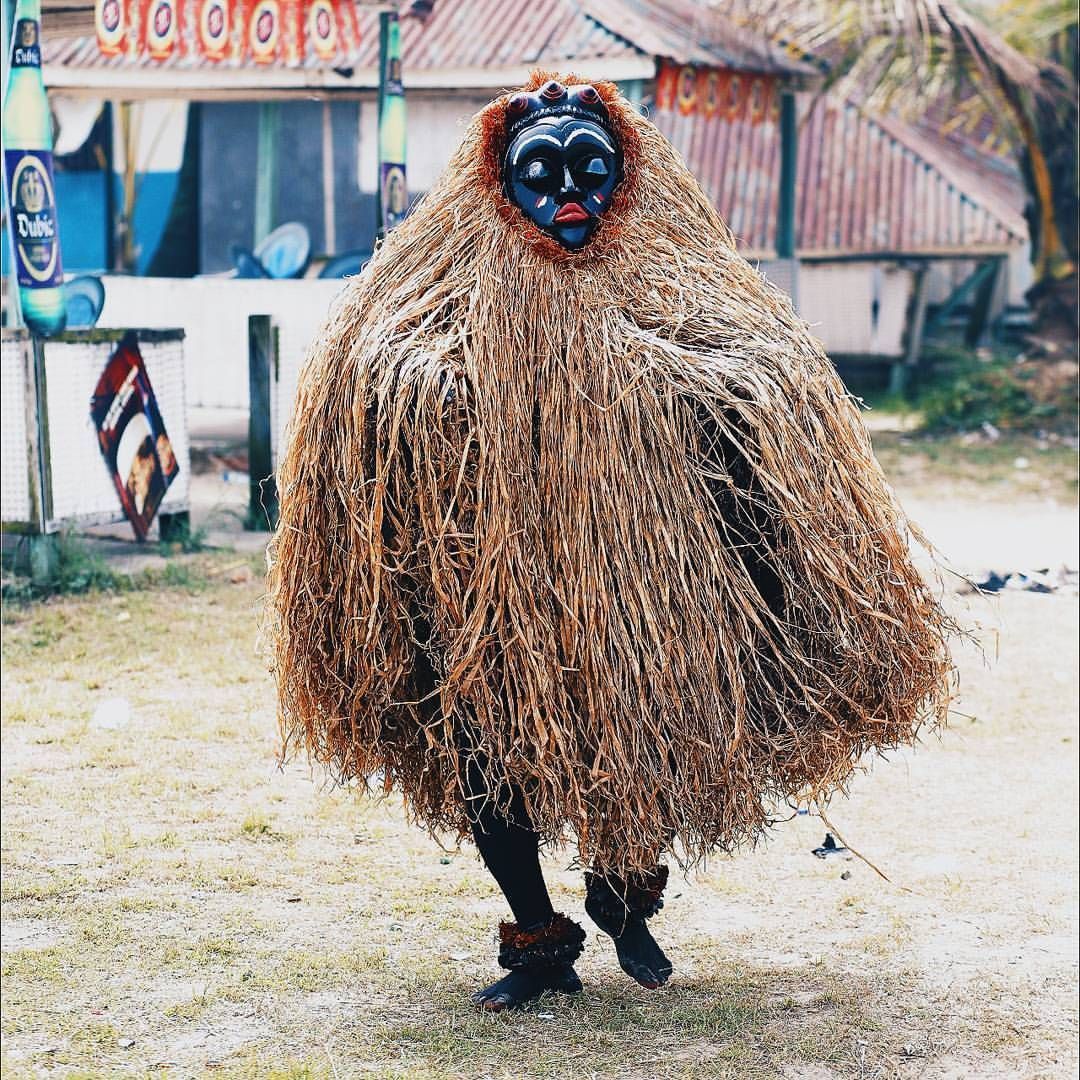
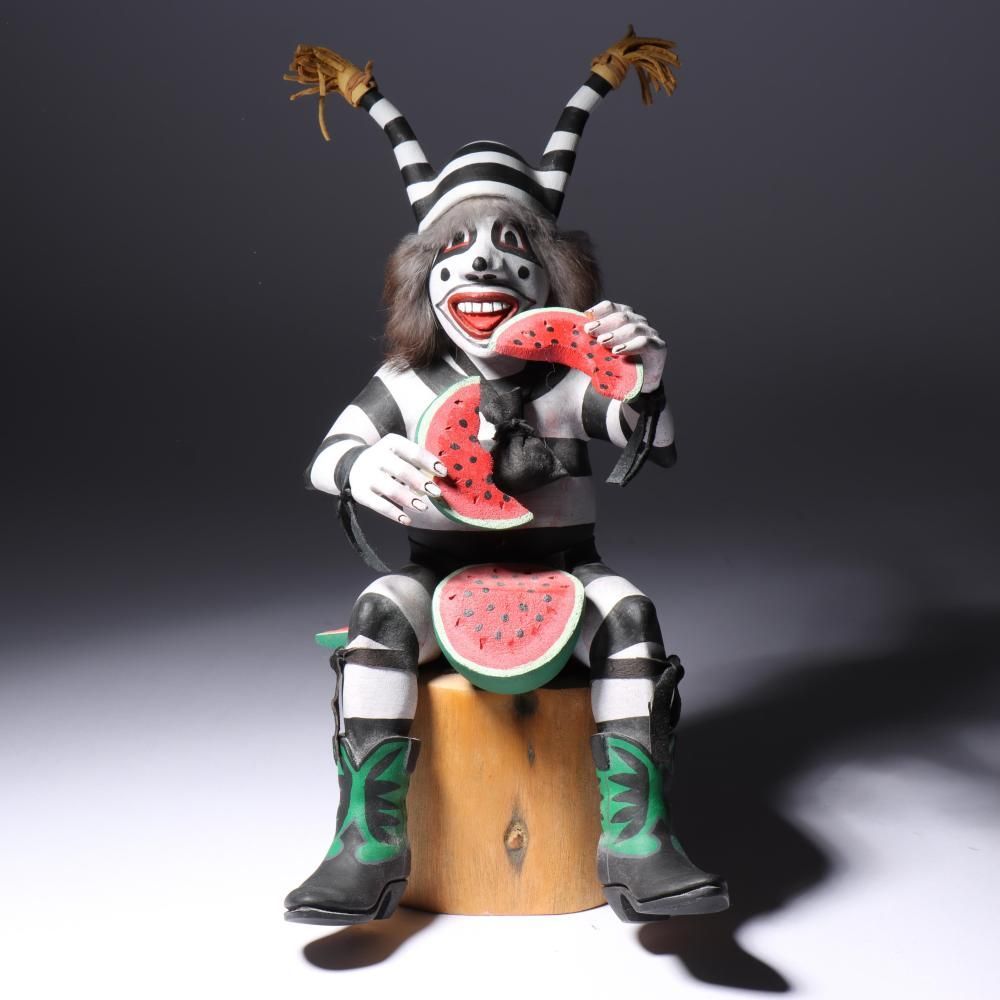
Why do they look like snakes? With diamonds and stripes, black and yellow and red and white hypnotic scale-patterns, slitted eyes, bloody mouths, and chilling comical grins?
Why do they offer us sweets and balloons, but seem to hold a deeper malice in the hand behind the back?
And why, oh, why, do we look everywhere throughout the world, and history, and see temples and pyramids in high places, devoted to the sacrifice of life, the spilling of blood, sometimes (and often as the “choicest cut of meat”) even human blood?
Who wants that?
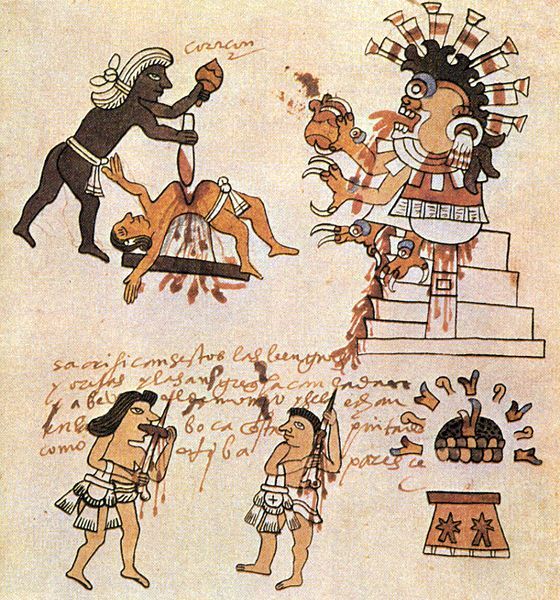
Well, I’d say the simple answer is hidden in plain sight: demonic spiritual intelligences.
How did the Ancient Greeks invoke the shades of Hades? Spilling blood.
Why do Voodoo priests, whether in Africa, Cuba, Haiti, or the US, spill blood and invoke the kind of frenzy that’s around that in their occulted ceremonies?
“The life of the flesh is in the blood.”
I’ve also been reflecting, well, in a sense, on reflections.
It occurred to me recently, having watched videos of truly holy priests of Orthodox Greek monasteries performing Holy Liturgies, that theater, whether we’re talking about movies or pagan mystery cults, typified by an ayahuasca ceremony or the Eleusynian Mystery psychodrama, or yet the Vedic-Avestan soma-haoma ritual… it occurred to me that all these drug-fuelled and frenzy- (or ecstasy)-invoking mystery-theater psychodramas are inverted reflections and mockeries of true Holy Communion and the sharing of bread and wine in the name of the Father, the Son, and the Holy Spirit.
Never mind that they reflected, in distortion, the truth of the Holy Communion and Sacred Mystery of the Worship of the Holy Liturgy hundreds or thousands of years before that sacred Worship was known to Men; in the immaterial realm of timeless spiritual intelligences, time is something experienced quite differently than linearly, allowing for something like foresight and hopping in and out of the timeline in grosser material space, where you and I tend to live our lives.
I said I’ve been reflecting on reflecting.
I could refer you to something I shared elsewhere here; again, hitch yer britches and find your way there, because I don’t have time to take you there, or to quote at length.
But, essentially, it included an explanation of Gurdjieff’s exposition on being-foods, namely that we all subsist on three being-foods: food and drink; air; and impressions, impressions being the quite-literally vibratory-energetic-fundamentally imagistic im-pressions into our soul of things outside us, whether through direct spiritual vibrations of a higher non-embodied order, or more usually through senses, emotions, and words and ideas that enter into us.
Those, too, are fundamentally spiritual vibrations, but mediated by having first been “incarnated,” say in the form of the fruit you ate, the anger directed at you, or the sting of the shock on the soles of walking the stony soil of a hard earth.
Well.
Gurdjieff said, we can live pretty long without food, and just a few minutes without breath; but without a constant influx of impressions, we cannot live for a moment.
I said I’ve been reflecting on reflecting.
I’ve been coming to understand what it means to invoke the presence of a Saint through a holy Icon. I’ve been reflecting on what it means to call on a Master through constant practice, stillness, and refinement of the being-state in all respects, in all matters of life.
Well, let me tell you.
A few years ago, I’d use the sauna in mid-winter, and then stand outside after, staring at the skies, the stars.
When the moon was out, in that expanded, grounded, purified, and heightened state, I’d stare at it, still, as long as I could, then close my eyes; and I’d see the moon reflected in negative, like old film negatives you’d get back in the day, from which you could produce as many full-color duplicate pictures as you liked.
Sometimes, around that time, I’d sit in my apartment and stare at the rosy Himalayan rock-salt candle in the dark – as it sat on my small bookcase.
I’d close my eyes and see the bookcase and candle in negative, sometimes in fine detail.
Well, let me tell you.
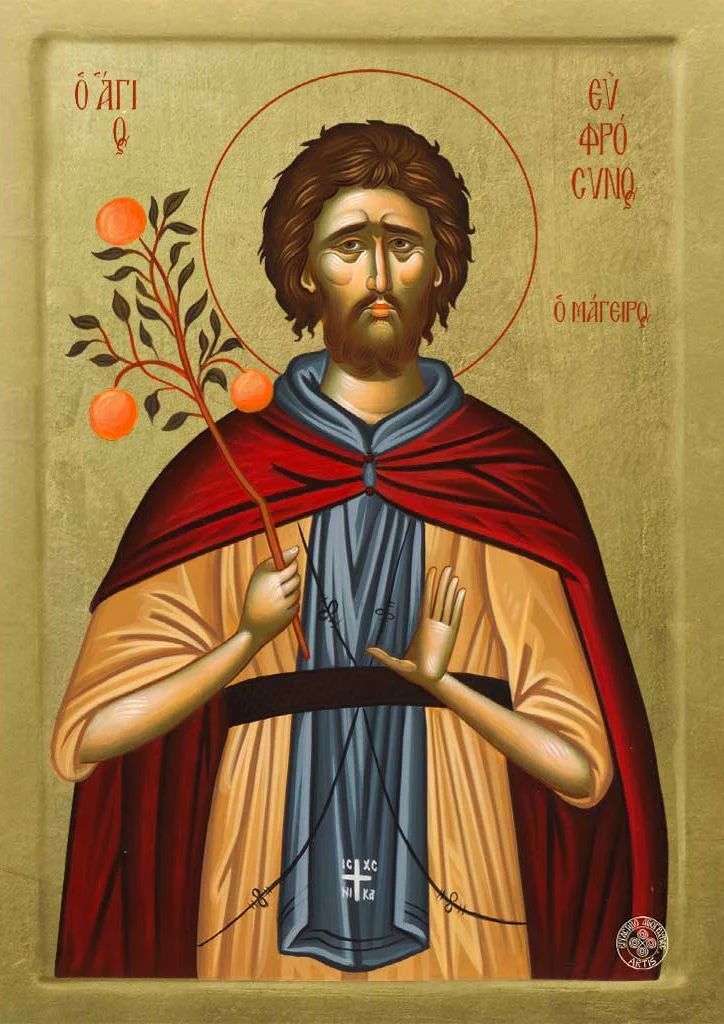
Last week, I was staring at a holy Icon of St. Euphrosynos the Cook, and closing my eyes, I saw his image in negative, impressed upon the inner eye. It crystallized an understanding in me.
The next day, Christmas Eve, I went to the grocery store – a-bustle with crowds and a-bubblin with all kinds of feelings, from merry to... less so.
As I stood in line at the check-out, I looked at the faces of everyone around me, in stillness, maybe even in a habitual and residual prayerful silence, and – to my surprise! – I began to see the faces of people around me transfigured, archetypical.
I saw the sorrowful mother, in many variations. Both the woman there in front of me, as she is in her fullness and uniqueness, but also as an eternal form typified in the Holy Virgin Mary, woman of many sorrows.
I saw… faces I have no names for, but which I’ve seen before, and knew them.
We require three being-foods, and the third is the most important. We are like soft wax in the hand of spiritual influences, which impress their being upon us, mold-like, so that we begin to take their shape, though always with our own unique flavor.
All spirituality, you may be surprised to learn, is fundamentally incarnational. We are all incarnating spirits all the time, knowingly or unknowingly, intentionally or unintentionally; but the question is, what spirit?
I could say so many things.
Let me say this one thing, from behind a veil.
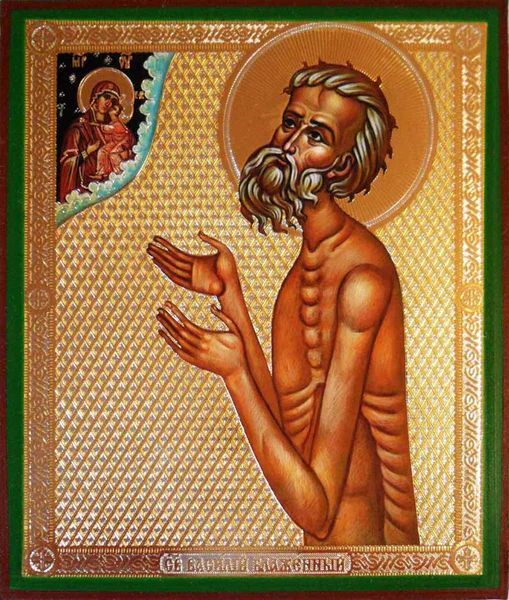
I saw something, or rather someone, like St. Basil, Fool for Christ, in the flesh last week – I’d seen him before, always showing up on the bike- and hiking-trail at the strangest times, sometimes with a puff of sweet tobacco long before I met him. And when I met him, there was always an intense magnetism, though he was a weather-beaten, gaunt-looking man, gently being led by three kindly dogs.
He stopped me this time, and began talking to me and questioning me; and the beauty and poignancy of what he shared about himself (and asked) left me feeling the lingering vibration of God’s hand. I had to say, the influence of the weather-beaten Russian Fool for Christ, Basil, was there, too.
What he said was as much about himself as me, and I found myself asking later, “What does that mean? Was what he said for me, or for himself?”
Let me tell you.
I’ve had the good fortune, recently, to see the effect, though I wouldn’t call it good, of ingested impressions upon the younger generation – kids in their teens, 20s, and 30s, even; while I have found great purity and great hope among them, I also have to admit that I see what weed-like outgrowths, in physical life, these inner impressions have made in their being-gardens, and how it chokes out the possibility for the bearing of fruit or flowers, or even the laying of the foundations of building with stone.
I’ve been reflecting on reflecting, and I’ve been reflecting on the life that is in the blood.
All of this, you may or may not believe, is only an introduction or preamble to what I really was beating around the bush to get at today; though, as I said, what we’re weaving is a tapestry, or rather a Persian Rug – a vast lattice-work or grid onto which, by patient, skillful movements of wise and broad-minded fingers, little by little, tufts of deep-dyed wool are arranged into a wordless story that speaks to the human being on all being-levels.
Impressions… icons… blood… eternal spiritual-energetic information-being-frequencies.
I’ve noticed things coming out, through me, in word, thought, feeling, and deed, that I can’t account for; who taught me this, and yet… how is it so right? How is it that, afterwards, I look at information from an official source and find, what I intuited was right?
The life is in the blood, and in the spiritual-energetic information-being-frequencies that suffuse it.
I hear the music and speech of North Carolina hillbillies and German-blooded Southwestern women, and feel it in my soul. I bake bread, and am surprised that the German-blooded women around me in Minnesota know the taste well, though we’ve never really known each other.
I find myself standing, looking, dressing, and thinking like a grandfather I never met, about whom I know almost nothing, and – yet I feel I know as well as I know myself.
Impressions… icons… blood… eternal spiritual-energetic information-being-frequencies.
I find myself understanding things about cooking, preserving foods, making wine and vinegar, weaving, landscaping, planning, that no one taught me, but which come to me effortlessly, though not without exertion.
I find I gaze at a face, my grandfather’s face, and know all of his fathers before him. I find I know something about where these people are from, what kind of people they are, what their soul is.
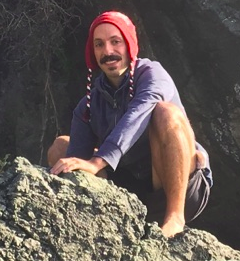
Please, look at this picture:
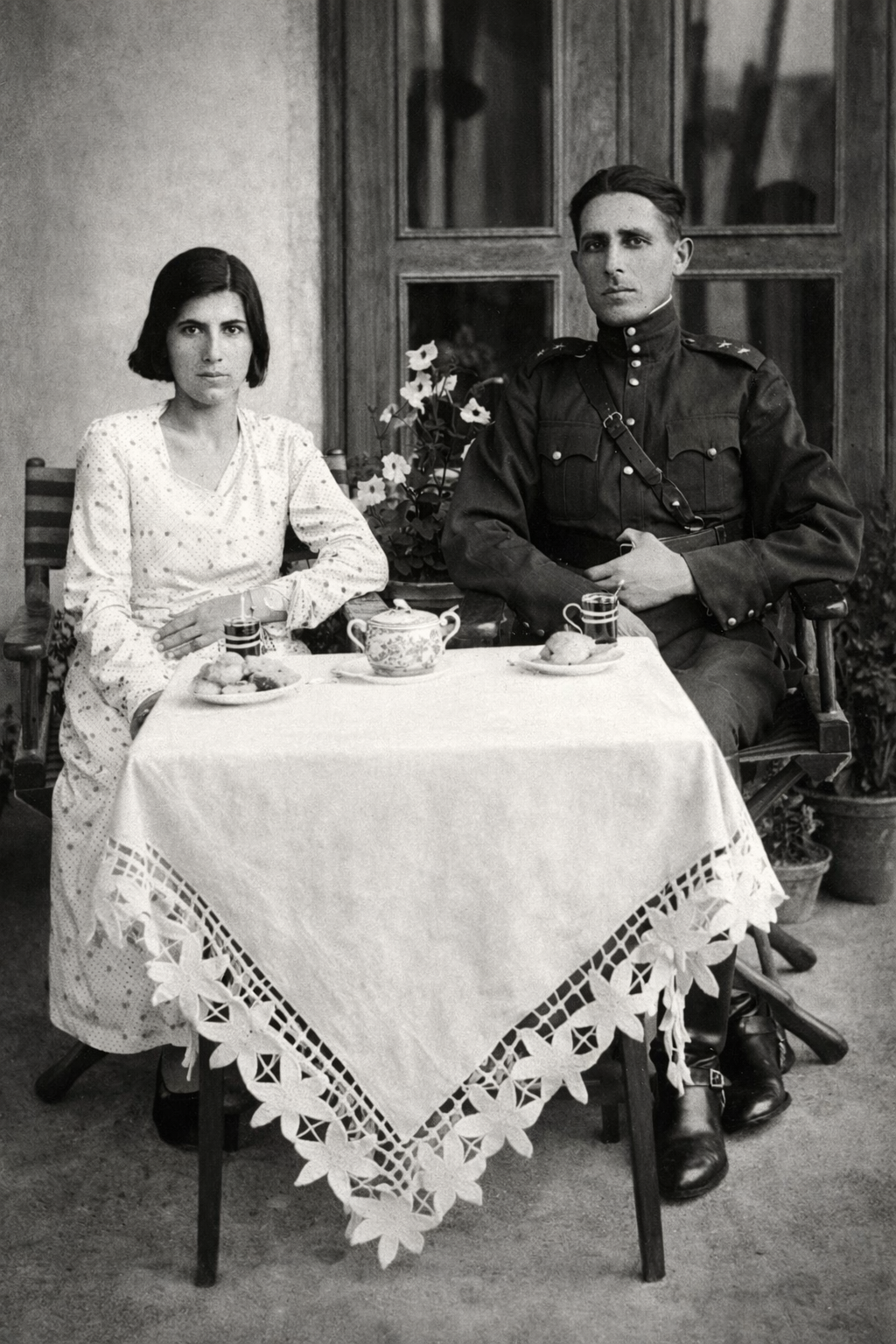
What got me looking at it, we needn’t go into, other than to say – it has been a part of the greater flow of converging and interacting influences I’ve alluded to above, wherein one thing leads to another in the most astounding and amazing of ways.
It’s been a healing journey, and continues to be; and maybe that’s why I’m sharing this – as a testament to healing, and as a possible roadmap for others.
Or better, let’s say, it’s a travelogue by which one may be inspired to take up the spirit of travel, to come to same-resonant understandings and experiences, though by different ways and in different places.
Let me tell you, I’ve looked at that picture a lot, and cried a lot, and received a lot of information in so doing – real, truthful information.
I’ve, consciously or unconsciously, been gazing at it with silent, still prayerfulness, and have been seeing in it the face of a Saint in a holy Icon; not that my grandfather was a Saint, but that the residuum is there, the residuum of the viewing-training of venerating Icons, if you follow.
From behind a thin veil, I say to you that venerating holy Icons not only fosters a connection by which we can begin to see the faces of all human beings as transfigured by divinity, but it can train us to be able to receive eternal, sometimes ancient, information through the impression onto our inner being of the information-field in the image of the one we look at.
I said to someone about this, “the paternal template runs strong down a certain line of my family tree.”
If you know me, as I know me, I’m shocked to see just how much of me is in, and from, that man, Abaazar, my father’s father; though I never knew him, I know him well, for his being is impressed on mine.
Did you know? My father told me this long ago, and it’s a historical fact, going back to ancient times.
In old Iran, it was traditional for a son to be named after the grandfather – so, two names will alternate, one after the other, from father to son, all the way down the generational line, in both directions.
That stopped with me, though I realized something today; in a sense, it didn’t stop at all, but was only transfigured into a “higher octave.”
By some interpretations – and here, we do give a loose rein to some credence in the essential truth of Phoenician-language punnery, wherein the sounds of the words themselves carry the meaning, and words can be understood on many levels of meaning – the name can be broken down into Persian words for Father (“abaa”) and Gold (“zar”), which is to say, the Father of Gold, or One Having Great Riches, which you might refine further into Kingly Father Having Priceless Spiritual Wealth.
I think that’s well, and good, and true.
Or, you can take it as the Arabic word, which means “strong, powerful, or courageous.”
You might call them two sides of the same coin, or two sides of a well-minted gold coin.
Please forgive me, as I continue to play my low air, as I talk about myself – surely, the worst habit of a poor host; but I assure you I talk about myself for your own good, my guest and friend.
The thing is, I look at that face, now, as a middle-aged man, and what I saw before as a stern, hard, unloving man is something, and someone, quite different.
Certainly he was stern – not just a military man, but a military man through and through, going back many generations in a long line. As I stared at that face and the information came through, I realized, intuitively at first, then through remembering what I know about our family story, then through some research into broader history and geography…
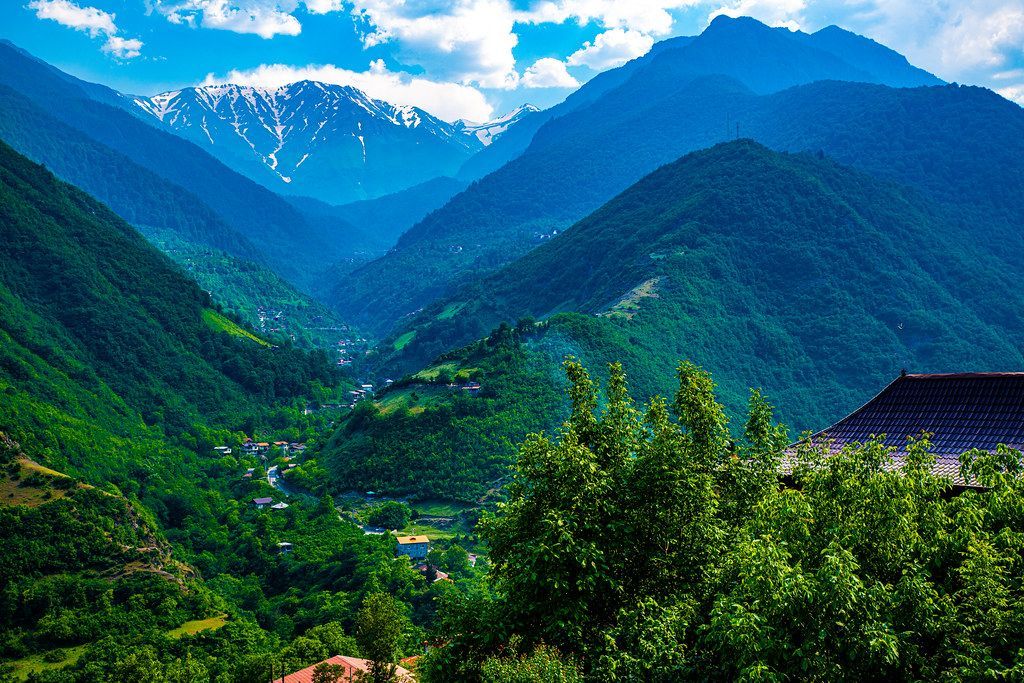
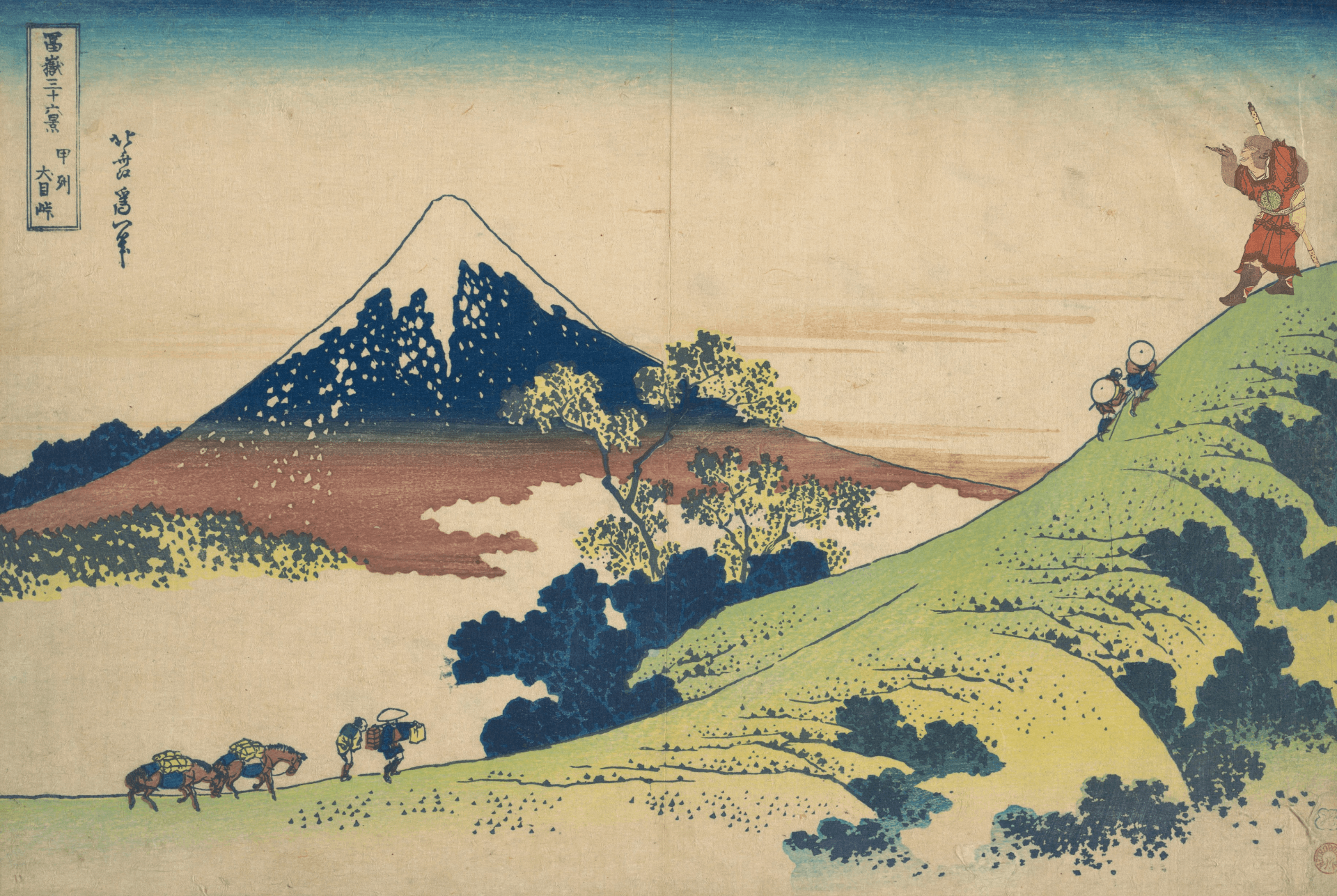
On my father’s father’s side, we’re mountain-people from the North and Northeastern part of Iran, Khorasaan, near the Caspian sea. Here, as in all of northern Iran, you have some of the tallest, strongest, and most majestic mountains in the world.
Here, nestled in tough, inaccessible peaks, sheltered geographically and climatically by the Caspian Sea, yet strategically central to the broader world, including Europe, India, Africa, and the broader East, into farthest China and Japan, you have mountain-fortresses and a long line of military-administered government, surrounded by rich agricultural land and dense forests.
Military rule gets a bad name, and certainly the militaries of all nations have lots of blood on their hands, as do the kings they serve; but I have been looking at that face, that icon of my ancestors, and do you know what I see?
This is a man whom other men love, and respect, and follow without command. This is a man who commands without speaking, who is utterly fearless, stern and gentle, sorrowful, but with a very subtle joy.
This is a face, his and his fathers’, that has grown used to seeing things from afar, and to feeling sorrow; and yet, his gaze is fully present, and piercing, but in a gentle way: seeing fully, deeply, weighing, and yet speaking no judgment, his very silence and gaze being judgment enough.
This is a high and noble man with refined features. Let’s leave aside whether he lived in wealth or as nobility; for the life is in the blood.
Do you know what I think?
Not only are strong genes repeated, like template-molds impressed upon the clay of human flesh, generation after generation, with all the inborn memories of mind, feeling, and body along with them, but some peoples had an understanding of the spiritual nature of names, as vibrational-energetic impressions with a, so to say, Qi Field serving as a repository of all the “information” of all other men bearing that name – especially in the same family line.
Just as chanting a prayer that millions of holy monks have chanted for healing and salvation for centuries will tap you into that Qi Field, naming a child in a repeating lineal pattern will tap them more deeply into the “hereditary field” and all it holds.
You might understand, then, how an ancient civilization like Iran’s, spanning millennia, which long made use of military men to administer government, might make use of naming conventions and heredity to generate good men.
We are mountain-folk, the men of this line – strong, silent, iron-hard, but with deep feeling and soul.
Interestingly, I see these same folk on my mother’s father’s side, in the English and Irish who came to America, to Virginia and West Virginia, to North Carolina, moving south to Georgia, then West to Texas to mingle with the farming Germans of my mother’s mother’s line.
Interestingly, my father’s mother’s folk are mountain and farming folk, too, a bit west of Khorasaan, but in the same general area, and I wouldn’t be surprised if my German blood finds its wellspring in mountains, too.
But to the point, once, staying with my grandpa, my mom’s dad, before he passed away, I played him a song by Doc Watson, from North Carolina, and I saw him perk up, though he’d never heard it before: I believe he recognized the accent, and the manner of speaking, deep in the blood, so to speak.
But these mountain-men of Iran were horse-riders, too, and bow-shooters, nomads long-studied in the herding, care for, and breeding of sheep; and sometimes they were farmers, as well.
The Ancient Greeks said of Persians, they teach their men to ride the horse, shoot the bow, and speak the truth. That has not changed, though in most cases it persists only in transfigured form – subjugating and governing the warlike, passionate, wild and prideful bodily nature, using it in the service of attaining far goals, done chiefly and most immediately by the slaying of ravening spirits, as of the lion.
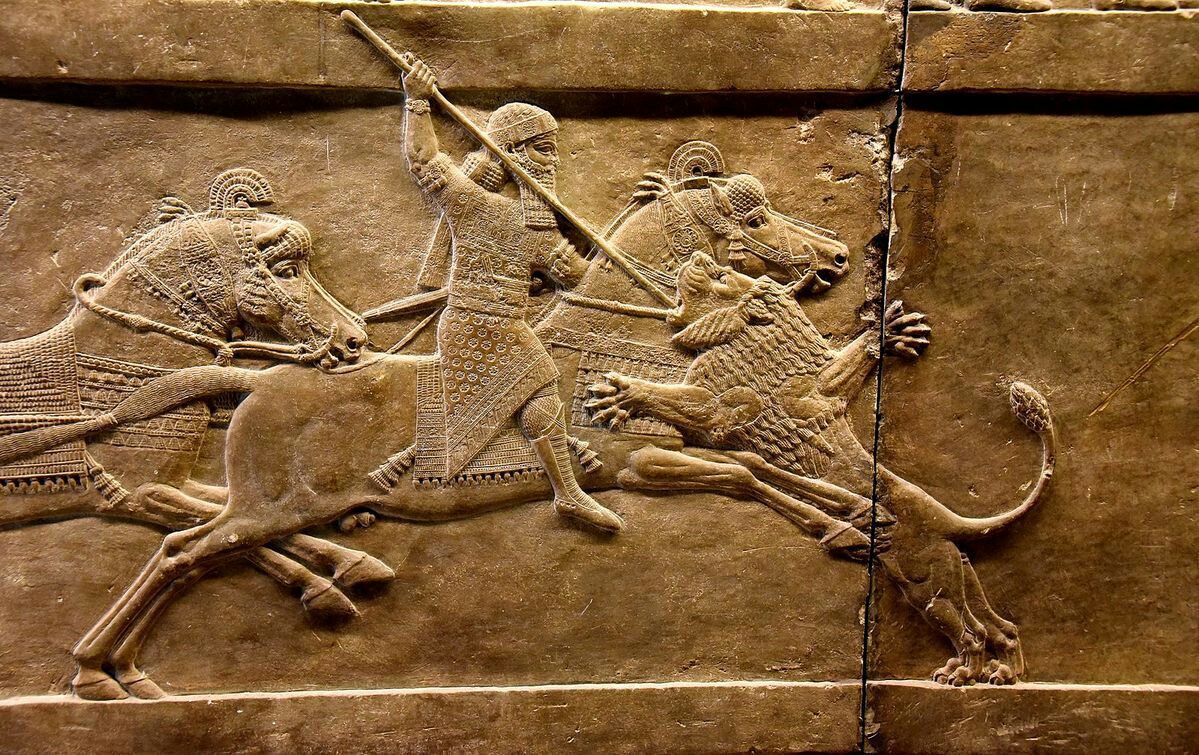
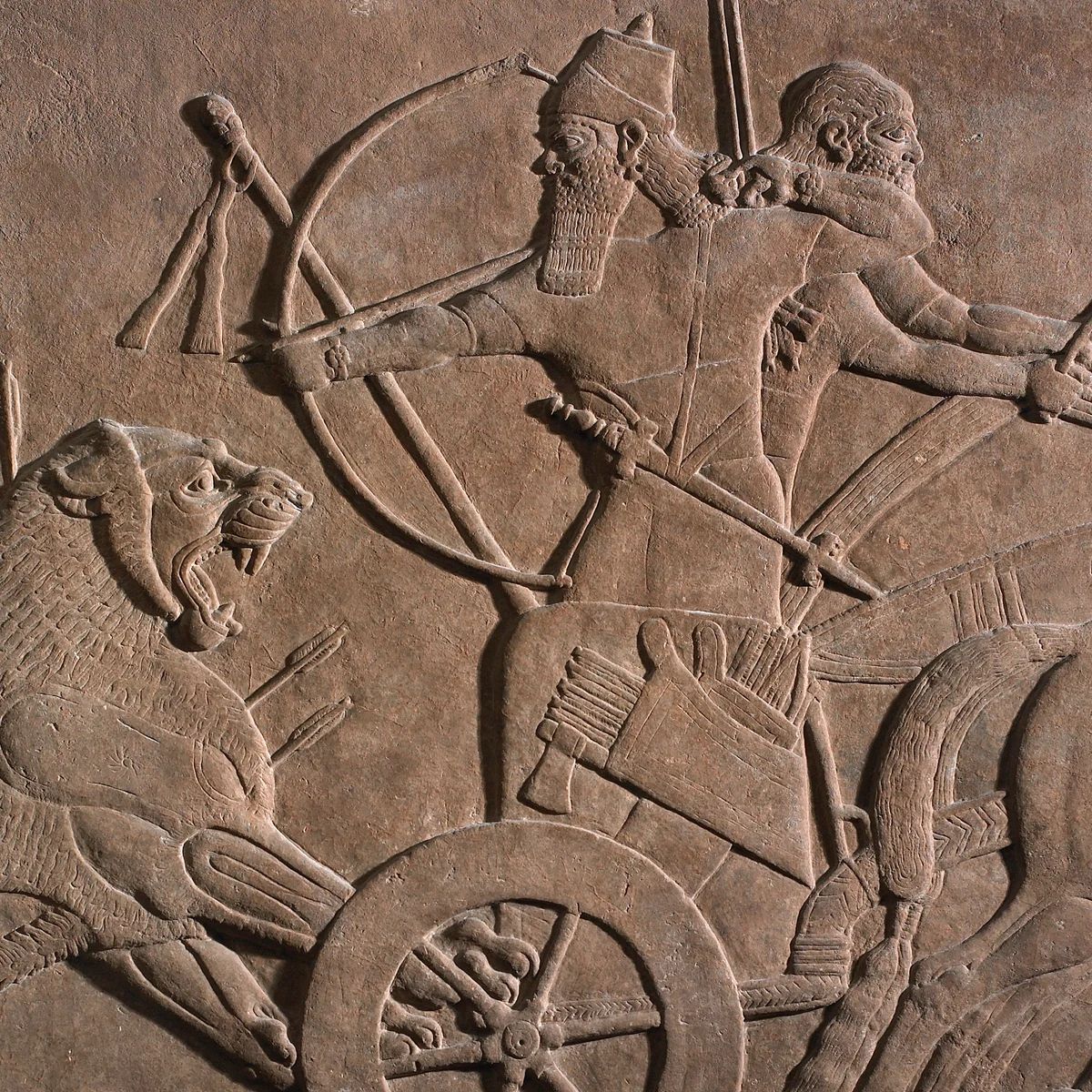
I thought of the lion last night, in this context, though it takes us a bit afield – only appropriate, maybe, in light of hunting lions.
Can you imagine the terror, the real terror, of meeting a lion in the wild, even if on horse and with bow and sword?
And the lion knows you’ve come for blood.
The lion shows no mercy; have you seen a cat hunt? Even an eight-pound housecat is a blood-chilling terror in the fullness of its ferocity; what to say of a full-grown lion?
Its eyes blood-red, fierce, nose furrowed, fangs bared, mighty forearms gripping tightly, sharp claws digging even past the flesh and into the bone.
That gaze alone would stop the heart – as many a gazelle would tell you if it could – but the noble horseman takes aim from afar, face dispassionate, with maybe the hint of a smile, and lets his shaft fly, piercing and stopping the heart of the lion.
That is the face of my grandfather.
Here, I hang his picture in this hallowed hall, a sacred portrait – Icon, if you like – to venerate in his memory, and in memory of all the men who served, sacrificed, and died without a word, and with some sorrow, so that others might live.
Though it brings a tear to my eye – drops in an ocean of salt – to say that, and I wish to stop here, I can’t resist saying one more thing; perhaps the didactic savor to my nature and writing, too, come from this military line, which is so exact and exacting, though not without love or gentleness.
Recently, I learned that the “Shab-e Yaldaa” held overnight, unto ancient times, in Iran on the eve of the Winter Solstice has two deep roots, as many mighty fruit-bearing trees do.
One, in ancient pre-Christian traditions of warding off the forces of death, frost, and darkness by celebrating the rebirth of the light and Sun on the Solstice.
It is typical to gather as a family and community to light candles, recite prayers and poetry, sing, make music, and eat the nuts and fruit, dried and otherwise, of the fall harvest. The symbolic fruit most commonly associated with this festival-vigil, and eaten, is the pomegranate – the fruit of Iranian soil, shaped like a heart.
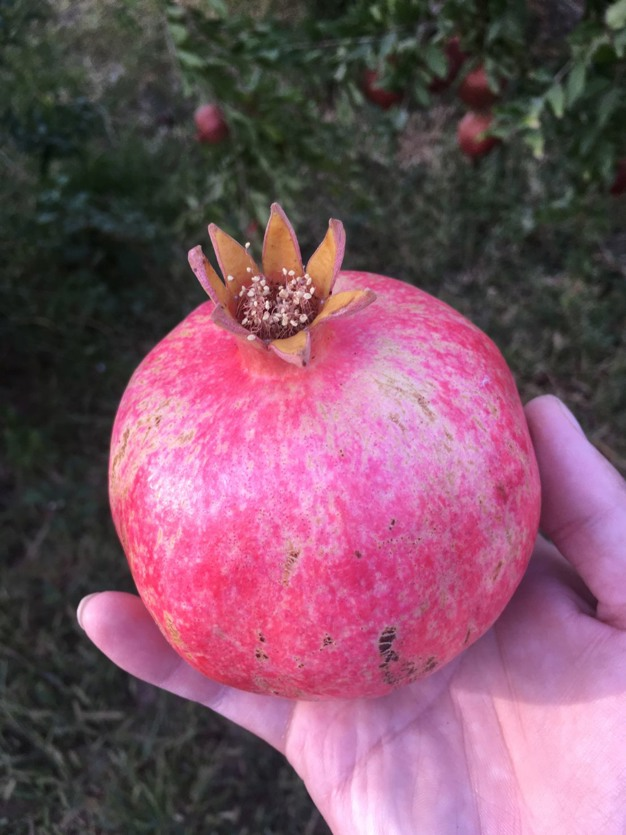
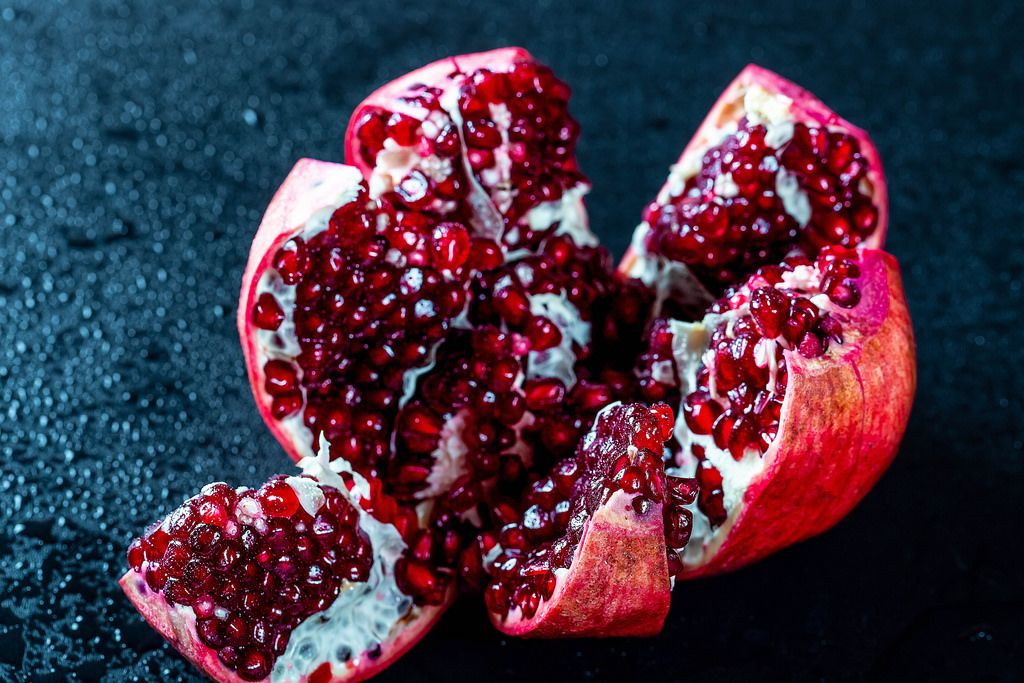
It has a tough outer skin, like the pericardium of our own heart, and inside is filled with many cells – each with bright purple-red juice, sweet and sour, and a hard core – not unlike blood cells, with their hard iron core and rich bright-red blood. To enjoy its juice, it must be softened, squished even, and pierced – then, its sweetness can be drawn out.
And two, apparently, Syriac Christians from the early centuries of the Church found sanctuary in Northern Iran, fleeing persecution. With them, they brought their Christmas celebration, which they called “Yaldaa,” meaning “Birth” – the Nativity of Christ.
Before, the native Iranian Festival I’ve been describing was called the Midwinter “Chelleh,” which means forty days – the symbolic entrance and initiation into deepest winter and a countdown till spring, and new life, and the new year's return on the Vernal Equinox.
Do you know, I heard this piano improvisation of an Iranian woman, a masterly young woman full of soul and feeling, with new ears recently?
It brought me to tears, many times; in it, I heard the voice of the women of my people, of an intelligent, sensitive, soulful young woman praying to God and finding solace in the songs of her foremothers, which took the sourness and bitterness of life and tamed their confusion and commotion, placing them into a rhythm, giving them a stately, if sorrowful, elegance in a well-ordered spatial-temporal progression of music – the perfect balance of sweetness and sorrow, and a template by which a woman might live a life full of grace, in the world and yet unstained by it.
Do you know what that song is called?
Jaan-e Maryam, the Life (or Soul) of Mary.
Did you know, one of the most common names for a woman in Iran, and in my family, is Maryam?
Did you know, the star-gazing philosopher-sages of ancient Persia, silent, thoughtful mountain folk of the north, saw a sign in the heavens 2000 years ago, and traveled West, from the East, to bear kingly gifts of gold and sacred incense as homage to the Christ they knew had to have been born, since the heavens had ordained it?
Did you know, Khorasaan means the Land of the East, of the Rising Sun?
Do you know, in the past I might have been inclined to say, these things are proof that Christ, and Christianity, is just a sort of grafting of an image of an impoverished myth onto something more plain and mundane – the eternally recurrent laws of Nature?
That is, that Christ is just a symbol of the sun (hence the solstice correlation), that there’s no correlation between the ancient Iranian tradition of preparing for the spring for forty days after the Winter Solstice (or of eating pomegranates at that time) and Great Lent, or the bleeding heart and Crucifixion of Christ?
Did you know, I think some Iranians have been unconsciously Christian since the earliest days of Christianity – secret Christians, unbeknownst even to themselves?
I think it’s so deeply dyed in the wool and steeped in the blood, we don’t see it anymore; but it’s there, especially if you look closely.
And I do think, as the Orthodox Church would say, rather than Christ “merely being a symbolization” of these older traditions and astrological phenomena, these traditions and phenomena are partial impressions and imperfect signs and presages, “logoi-spermatikoi,” of the true template of Christ, an eternal informational-vibrational-energetic spiritual reality that is ever falling like rain, into the material plane, and bringing forth fruit, in all places, all times, and among all peoples.
In early days, the fruit was wilder and less amenable to human digestion, till finally the right soil was found (not without some intensive cultivation) and served to germinate a strain of fruit closer to the eternal-universal template, you might say (though not without some intensive attention along the way).
Well.
I see it in my family line, on the lower octave of my family, tribal, and national history, sawin on them low strangs, and I see it in the vast expanses of time and space, a fine, high air the ears can barely catch.
What a wonder, what a mystery, what a blessing.
What can I say?
It’s already been said, in seed-form, while here I have belabored your ears overmuch with an over-elaborated out-flowering and forth-fruiting of it – as it must be in such rich soil as mine.
But here, as the last word, we honor the eternal seed from which all such fruit and flowerings spring – the Ur-Impression, if you like:
“Our Father which art in Heaven, Hallowed be Thy Name. Thy Kingdom come. Thy will be done in Earth, as it is in Heaven.”
Amen, Amen, Amen.
28 December 2025